
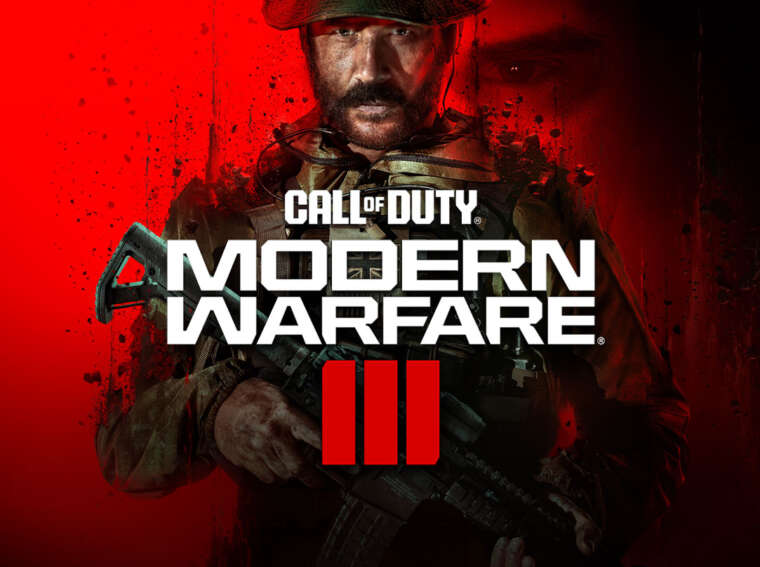
The “Call of Duty” (CoD) franchise, one of the most successful video game series in history, has revolutionized the first-person shooter (FPS) genre since its inception. Launched by Infinity Ward and published by Activision, the series debuted in 2003, drawing players into the intense and immersive world of World War II. Over the years, the franchise has evolved, covering various historical and futuristic conflicts, establishing itself as a cornerstone of modern gaming culture.
Origins and World War II Era (2003-2008)
The original “Call of Duty,” released in October 2003, set a new standard for FPS games with its realistic graphics, engaging single-player campaigns, and a multiplayer mode that redefined online gaming. The game’s success prompted the release of “Call of Duty 2” in 2005, which expanded upon its predecessor’s foundation, enhancing graphics and gameplay mechanics. “Call of Duty 3,” released in 2006, continued the World War II theme but introduced a more cinematic experience, adding to the franchise’s growing popularity.
Modern Warfare and Mainstream Success (2007-2011)
A significant turning point came with “Call of Duty 4: Modern Warfare” in 2007. Moving away from World War II, it introduced a contemporary setting, focusing on modern conflicts and advanced military technology. Its gripping single-player campaign and revolutionary multiplayer mode set a new benchmark for the genre. The success of “Modern Warfare” led to a sequel, “Modern Warfare 2” (2009), which became one of the best-selling games of all time, and “Modern Warfare 3” (2011), which concluded the storyline of its predecessors.
Black Ops and Expanding Horizons (2010-2015)
Parallel to the “Modern Warfare” series, Treyarch, another developer, introduced “Call of Duty: Black Ops” in 2010. Set during the Cold War, it featured a complex narrative and introduced the popular Zombies mode, which became a staple in subsequent releases. “Black Ops II” (2012) ventured into the near future with branching storylines and multiple endings, showcasing the franchise’s narrative ambition. “Black Ops III” (2015) further pushed the boundaries with a futuristic setting and a cooperative campaign mode.
Advanced Warfare and Infinite Warfare (2014-2016)
Sledgehammer Games entered the scene with “Call of Duty: Advanced Warfare” in 2014, featuring futuristic technology like exoskeletons and advanced weaponry. This trend continued with “Call of Duty: Infinite Warfare” (2016), which took the franchise to outer space. While these titles were commercially successful, they received mixed reactions from fans who longed for a return to the series’ roots.
Return to Roots and Continued Evolution (2017-Present)
Responding to fan feedback, the franchise revisited its origins with “Call of Duty: WWII” in 2017, bringing back the World War II setting. In 2019, Infinity Ward rebooted the “Modern Warfare” series, delivering a gritty and realistic portrayal of contemporary conflict. This reboot revitalized the franchise, blending nostalgia with modern gameplay innovations.
The introduction of “Call of Duty: Warzone” in 2020 marked the series’ entry into the battle royale genre. As a free-to-play game, it attracted millions of players, further cementing the franchise’s dominance in the gaming world. “Call of Duty: Black Ops Cold War” (2020) and “Call of Duty: Vanguard” (2021) continued to build on the franchise’s rich legacy with compelling storylines and innovative multiplayer experiences.
Conclusion
Throughout its history, the “Call of Duty” franchise has continually evolved, adapting to changing player preferences and technological advancements. Its blend of historical and futuristic settings, combined with engaging narratives and cutting-edge multiplayer modes, has ensured its place as a cornerstone of the gaming industry. As the series continues to grow and innovate, “Call of Duty” remains a testament to the enduring appeal of immersive and action-packed gaming experiences.